mailongmetals.com

Header
86 188 8804 9093
rose@mlmetal.cn
Banner 1920x600

ONE-STOP STEEL
MANUFACTURER

ALL GRADES, ALL SHAPES, ALL SOLUTIONS.
Products Page

Duplex Stainless Steel
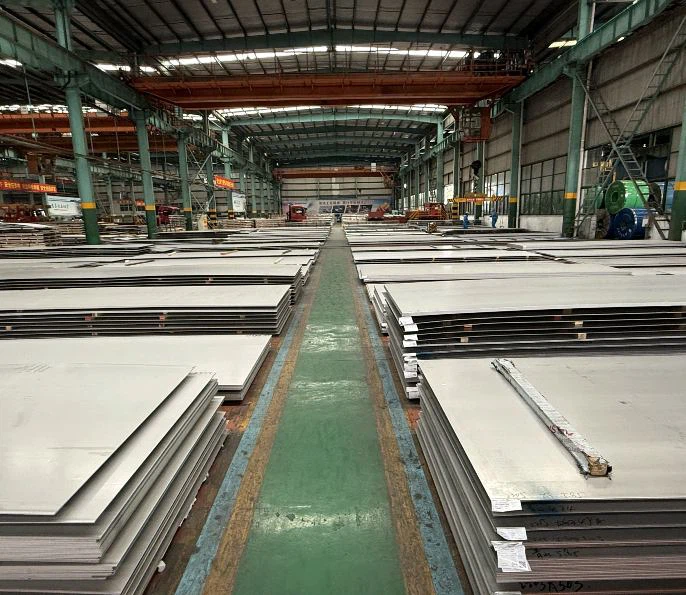
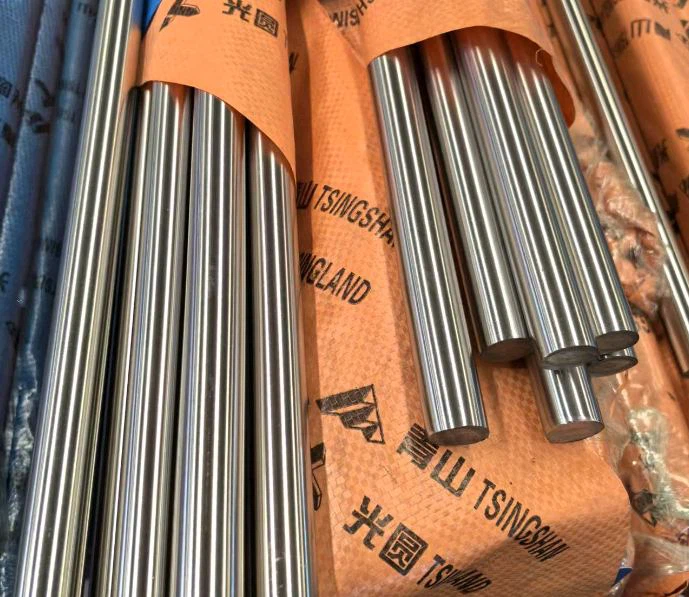
Duplex Stainless Steel
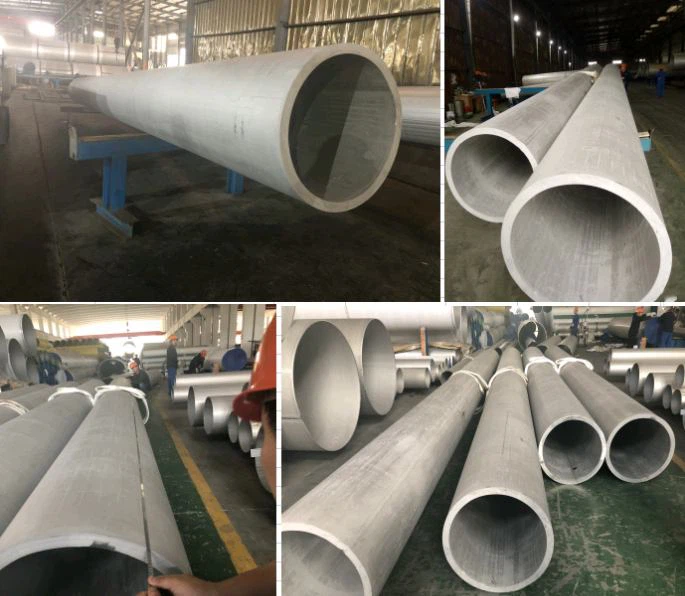
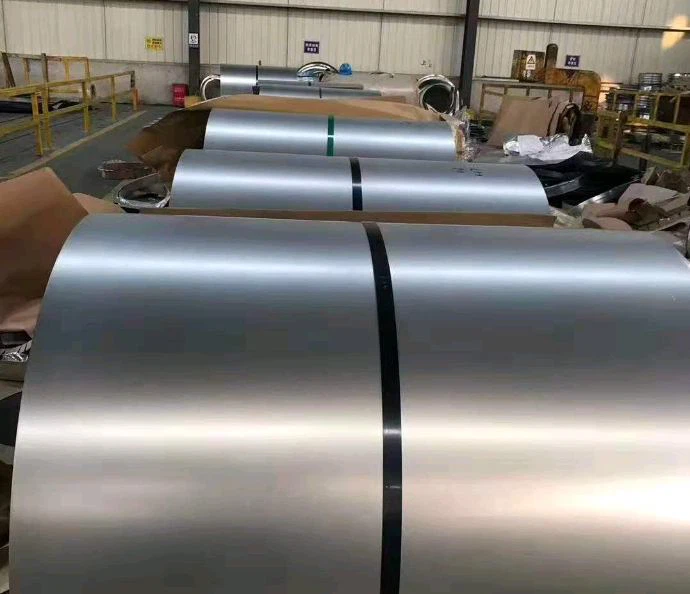

Benefits of Duplex Stainless Steel

  1. Improved Strength

    Many duplex grades are as much as two times stronger than austenitic and ferritic stainless steel grades.

  2. High Toughness and Ductility

    Duplex stainless steel is often more formable under pressure than ferritic grades and provides greater toughness. Though they often offer lower values than austenitic steels, the unique structure and characteristics of duplex steel often outweigh any concerns.

  3. High Corrosion Resistance

    Depending on the grade in question, duplex stainless steels offer comparable (or better) corrosion resistance as common austenitic grades. For alloys with increased nitrogen, molybdenum, and chromium, steels exhibit high resistance to both crevice corrosion and chloride pitting.

  4. Cost Effectiveness

    Duplex stainless steel offers all of the above benefits while requiring lower levels of molybdenum and nickel. This means that it is a lower-cost option than many traditional austenitic grades of stainless steel. The price of duplex alloys is often less volatile than other steel grades, making it easier to estimate costs—both at an upfront and lifetime level. The higher strength and corrosion resistance also mean that many parts made using duplex stainless can be thinner than their austenitic counterparts, providing lower costs.

Duplex Stainless Steels—Ultimate Strength Meets Superior Corrosion Resistance

UNS S32750 / S32760 (2507) duplex stainless combines outstanding pitting resistance and mechanical strength. Designed for seawater, chemical, and high-pressure industrial systems.

Duplex stainless steels have a combination of two phases, ferrite and austenite, in approximately equal measure. This allows them to benefit from the advantages of both austenitic and ferritic stainless steels, leading to increased strength, improved weldability, higher toughness, and resistance to several types of corrosion. Commercially, they are also cheaper than austenitic stainless steels due to their lower nickel content.
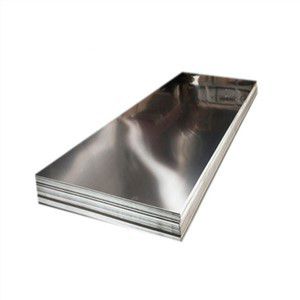
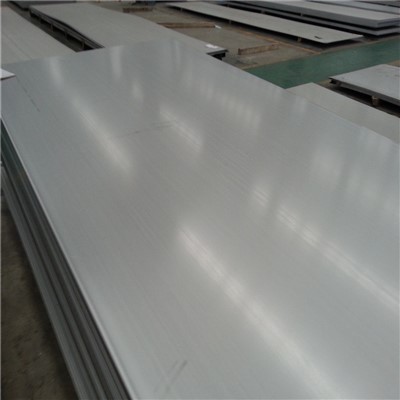
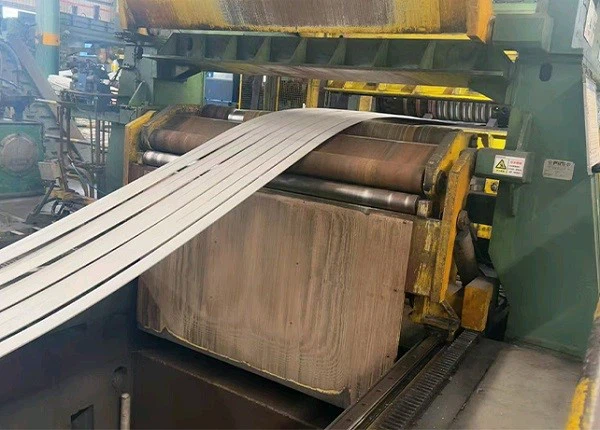
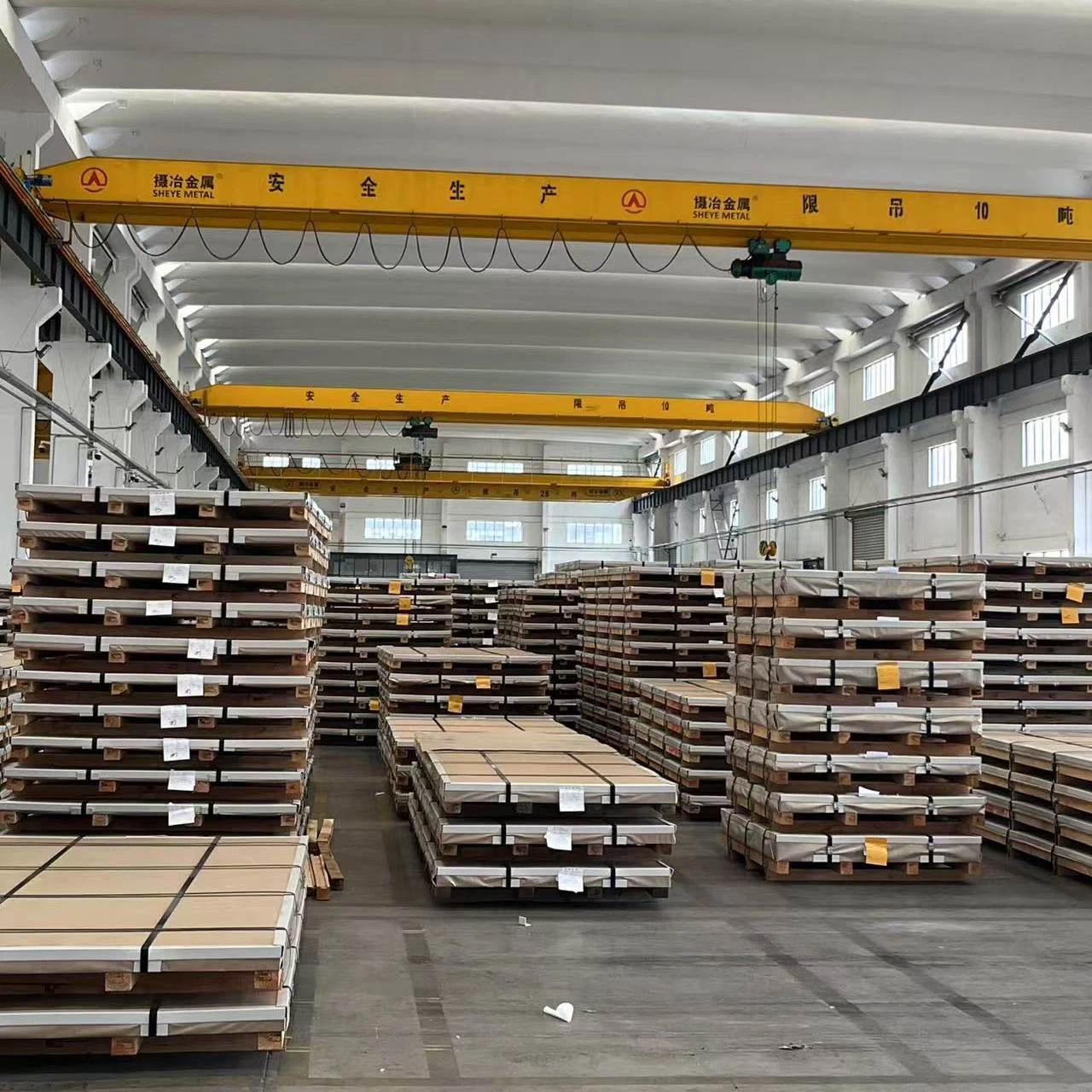
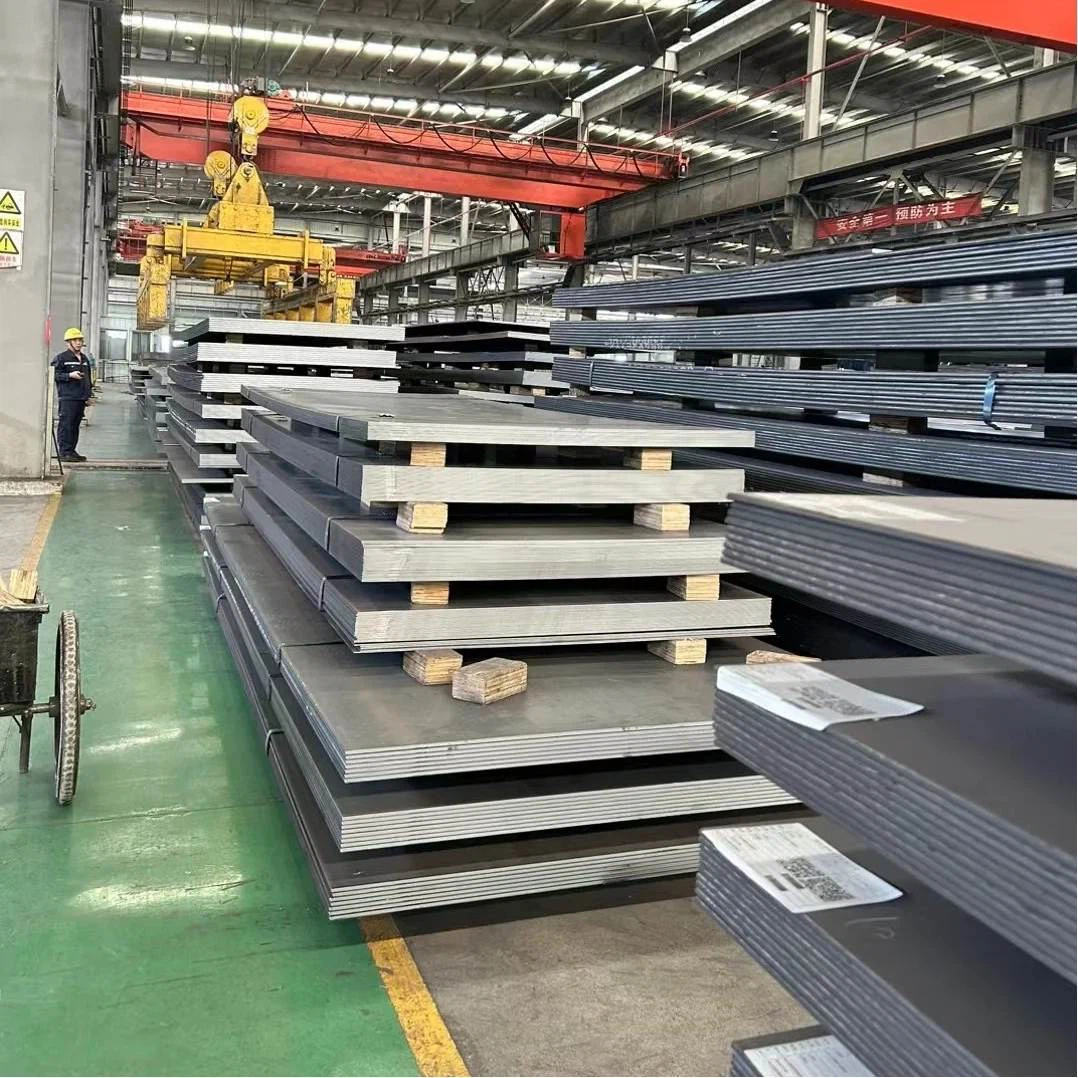
UNS S31803 Duplex Stainless Steel Sheet
view details
S32205 Duplex Stainless Plate
view details
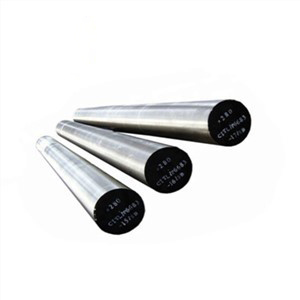
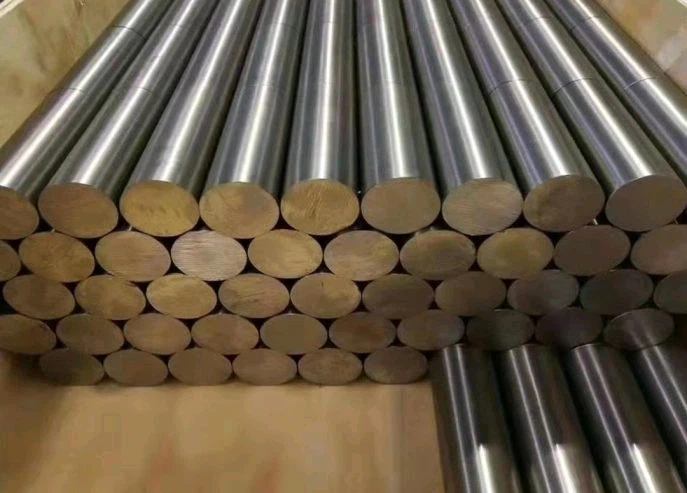
UNS S32750 Duplex Stainless Steel Bar
view details
Duplex Stainless Steel - Comprehensive Guide & Specifications
What Is Duplex Stainless Steel?

Super duplex stainless steel is a high alloy dual-phase (ferritic-austenitic) material with:

  • Twice the yield strength of 304/316
  • Excellent resistance to pitting, crevice, and stress corrosion cracking (SCC)
  • Designed for aggressive chloride-rich environments
  • Good weldability and mechanical performance at high pressure

These steels are widely used when both strength and corrosion resistance are required, making them ideal for structural and process-critical systems.

Optional Duplex Stainless Steel Specifications
Grade UNS No. PREN Main Feature
2507 S32750 42-45 High strength + seawater & acid corrosion resistance
Zeron® 100 S32760 45-50 Higher impact resistance + erosion/corrosion resistance
F55 / 1.4501 45+ Equivalent to S32760
Typical Compositions of Duplex Stainless Steels
Grade EN No./UNS Type Approx. Composition Cr Ni Mo
2101 LDX 1.4162 / S32101 Lean 21.5 1.5 0.3
DX2202 / RDN 903 1.4062 / S32202 Lean 23 2.5 0.3
2304 1.4362 / S32304 Lean 23 4.8 0.3
2205 1.4462 / S31803 / S32205 Standard 22 5.7 3.1
2507 1.4410 / S32750 Super 25 7 4
Zeron 100 1.4501 / S32760 Super 25 7 3.2
Ferrinox 1.4507 / — Super
255 / 255 S32520 / — Super 25 6.5 3.5
Uranus 2507Cu S32550 Super
Applications & Processing Packaging
Applications
  • Chemical processing: reactors, heat exchangers, scrubbers
  • Waste treatment and desulfurization (FGD) systems
  • Pharmaceutical and biotech plants
  • Pulp & paper bleaching systems
  • Offshore & marine environments
  • Pickling line equipment and fertilizer plants
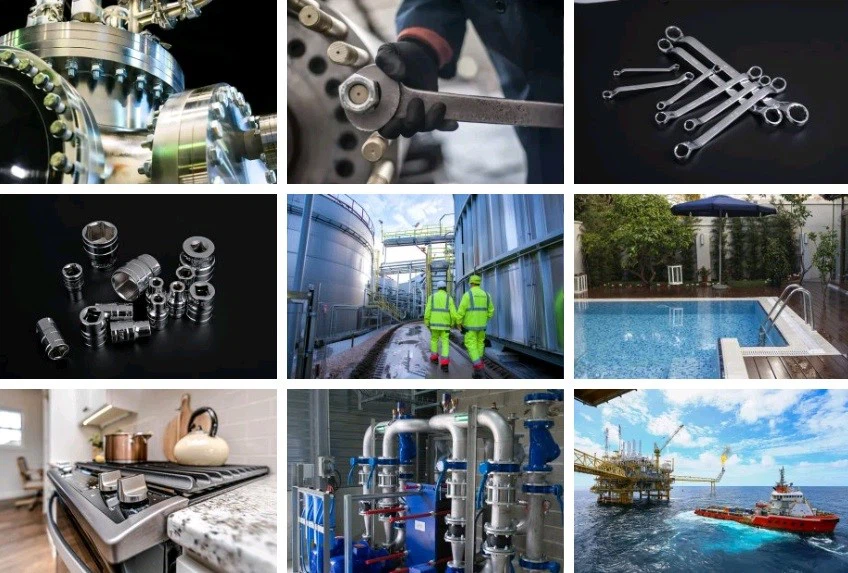
Hastelloy Industry Material

Processing & Packaging

Water jet, plasma or laser cutting
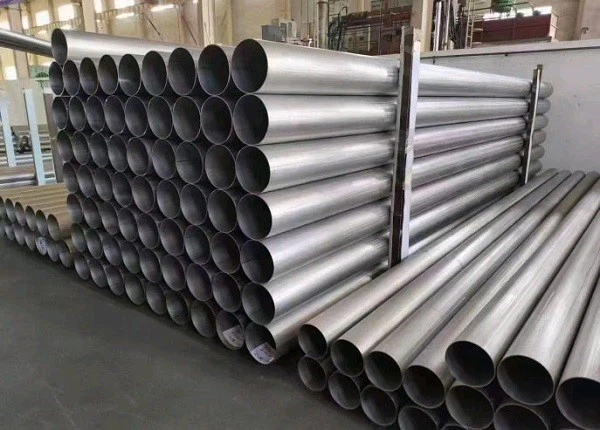
Pipe threading, grooving, welding (GTAW)
Surface pickling, brushing, mirror polishing
Wood box packaging with desiccant
ID barcode, heat number, test report per bundle or coil
Why Buy From mailongmetals?
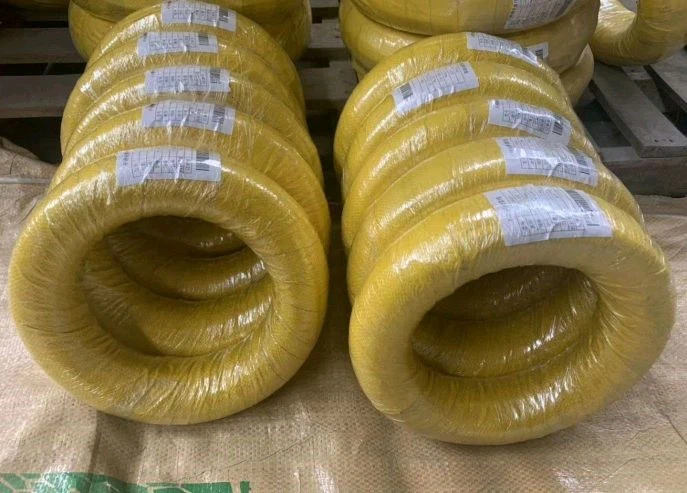
  • Full stock of Incoloy 800/825 pipe, sheet, bar & wire
  • Cut-to-length, threading, CNC machining service
  • Weldability guidance + filler suggestions (e.g., ERNiCrMo-3)
  • Precision forging + solution annealing available
  • Corrosion simulation & technical support
  • Global supply network with fast dispatch
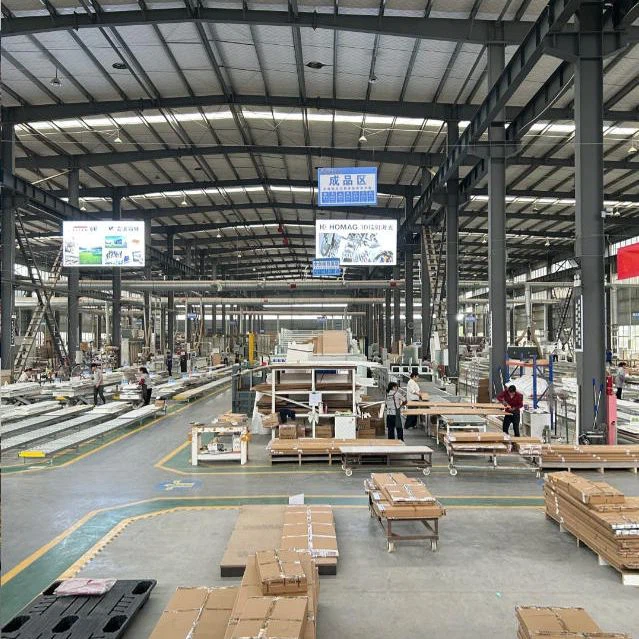
FAQ + Contact Form
Frequently Asked Questions
1. What are Incoloy alloys?
Incoloy alloys are high-performance nickel–iron–chromium alloys designed for excellent corrosion resistance, high-temperature strength, and long-term durability in harsh industrial environments.
2. What industries commonly use Incoloy alloys? +
They are widely used in petrochemical plants, heat-treatment equipment, offshore oil and gas systems, power generation, aerospace components, and marine engineering.
3. How are Incoloy alloys different from Inconel alloys? +
Incoloy contains more iron, making it more cost-effective for high-temperature and corrosion-resistant applications, while Inconel provides higher strength at extreme temperatures.
4. What are the most popular grades of Incoloy? +
Common grades include Incoloy 800, 800H, 800HT, 825, 901, and 925, each offering specific resistance to oxidation, acids, stress corrosion, and elevated temperatures.
5. Can Incoloy alloys withstand high temperatures? +
Yes. Grades like Incoloy 800H/800HT perform exceptionally well between 600–1100°C, offering excellent structural stability and oxidation resistance.
6. Are Incoloy alloys resistant to acid corrosion? +
Incoloy 825 and 925 are specifically designed for resistance to sulfuric acid, phosphoric acid, seawater, and chloride-related corrosion.
7. What product forms are available for Incoloy alloys? +
They are available in plates, sheets, coils, bars, rods, wires, tubes, fittings, and customized machined parts.
8. Can Incoloy alloys be welded easily? +
Yes. Incoloy alloys generally have good weldability using TIG, MIG, or SMAW methods, though proper pre-cleaning and heat control are recommended.
9. Do Incoloy alloys require special heat treatment? +
Some grades require solution annealing or stabilization treatments to achieve optimal mechanical properties and corrosion resistance.
10. How do I select the right Incoloy grade for my project? +
Selection depends on operating temperature, chemical environment, mechanical load, and required corrosion resistance. Providing your application details helps engineers recommend the best grade.
Let Us Know Your Required Grade

Whether You're Building A Heat Exchanger, Chemical Reactor, Or Marine Component, XuRui Offers Top-Quality Incoloy Materials With Full Certification And Global Delivery.